

Peugeot 208: Indicator and warning lamps
Peugeot 208 Owners Manual
Visual indicators informing the driver that a system is in operation, switched off or has a fault.
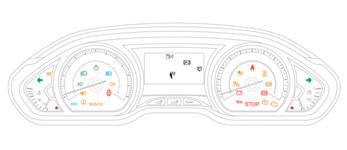
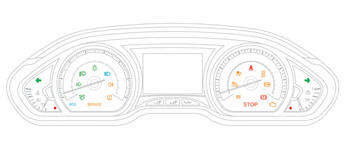
When the ignition is switched on
Certain warning lamps come on for a few seconds in the instrument panel and/or instrument panel screen when the vehicle's ignition is switched on. When the engine is started, these same warning lamps should go off. If they remain on, before moving off, refer to the information on the warning lamp concerned.
Associated warnings
The switching on of certain warning lamps may be accompanied by an audible signal and a message in the instrument panel or multifunction screen. The warning lamps may come on continuously (fixed) or flash.
Certain warning lamps may come on in one of two modes. Only by relating the type of lighting to the operating status of the vehicle can it be ascertained whether the situation is normal or whether a fault has occurred.


Other info:
Chevrolet Sonic. OnStar Additional Information
Transferring Service
Press to request account transfer
eligibility information. The Advisor can assist in canceling or removing account
information. If OnStar receives information that vehicle o ...
Peugeot 208. Service indicator
System which informs the driver when the next service is due, in accordance with
the manufacturer's servicing schedule. The point at which the service is due is
calculated from the last indica ...
Peugeot 208. Operation
On an ascending slope, with the vehicle stationary, the vehicle is held for a
brief moment when you release the brake pedal:
- if you are in first gear or neutral with a manual gearbox,
- if you ...
Manuals For Car Models
-
 Chevrolet Sonic
 -
 Citroen C3
 -
 Fiat Punto
 -
 Honda Fit
 -
 Mazda 2
 -
 Nissan Micra
 -
 Peugeot 208
 -
 Renault Clio
 -
 Seat Ibiza
 -
 Skoda Fabia
 - Honda Pilot
- Volkswagen ID4
- Toyota Prius
